
Stop and Smell the Spices
This post may contain affiliate links where, at no additional cost to you, I receive a small commission when products are purchased through those links. As an Amazon Associate, I earn from qualifying purchases. Any commisions earned helps keep this site sustainable. Click here for privacy policy.
One of the things that I would like to accomplish during my stint in Dubai is to learn how to cook Indian cuisine as well as Emirati, Moroccan, Lebanese, Egyptian, Iranian, etc.
I was able to do the same thing in Puerto Rico during my first expat assignment and take advantage of the local produce, flavorings, and seasonings to make such dishes as Asopao de Pollo (the national soup), baking up maduros (ripe plantains), and learning how to make a certain restaurant’s famous pique (hot sauce). Too bad I was never able to like tostones or mofongos.
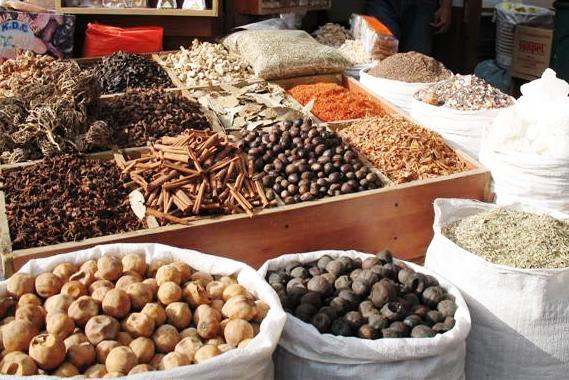
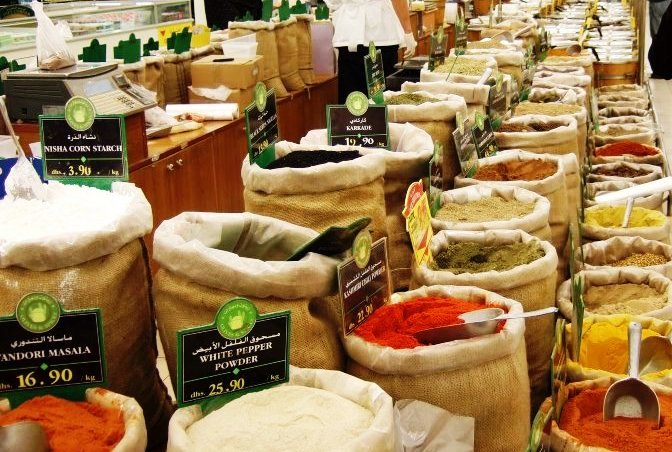
Walking around the spice souk or even the spice aisles in Carrefour and Lulu’s, I am always inspired by all the variety of spice offerings that are available. It would be a great shame to not learn a few dishes or two while I am here and make use of all the available spices and local produce.
Of course, I can’t cook the foods if I don’t know what they taste like! So part of the fun will also be visiting restaurants that serve Indian and Middle Eastern cuisine to taste and smell the different dishes and hopefully even replicate some of them at home.
Mm…Can’t wait!
Subscribe to my monthly newsletter and receive a FREE noodle guide PDF:

*We respect your privacy and will not send you spam. You may unsubscribe at any time.
I was wondering if you could tell me what the beige balls that you put into soups to give them a lemony flavor are called? They are pictured in every photo taken from the spice souks. I bought some for my sister but can't for the life of me remember what they're called. If anyone knows, please let me know. Thanks! I can also email you a photo of them if that would help! Happy cooking . . .
I think the beige balls you are referring to are called "loomi" which are dried limes (sometimes labeled as "dried lemons). It's made by drying the smaller limes that are usually grown in South Asia.
You can see close-ups of them in this post here and here (scroll to the middle of the posts).